

If you regularly experience back pain, your soft, sagging sofa might be part of the problem. Sitting for hours without adequate support can leave your lower back feeling uncomfortable, making it difficult to relax at home. This raises a common question for many homeowners: is recliner sofa good for back pain?
The answer depends on the design, fit, and how you use it. A well-fitted recliner sofa can offer adjustable sitting positions, support your lower back, and allow you to elevate your legs. However, a poorly fitted model with deep cushions or inadequate lumbar support may make discomfort worse.
In this guide, we'll explore how recliners affect back comfort, which support features matter most, how to compare different reclining styles, and how to choose a sofa that suits your body and lifestyle.
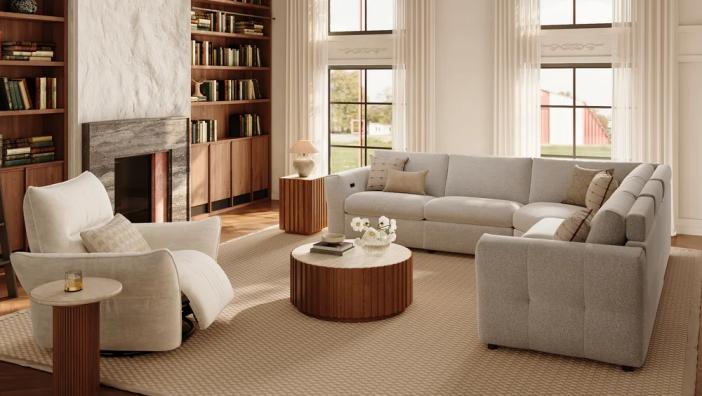
Glidio Chenille Power Reclining Sofa
Table of Contents
Can a Recliner Sofa Help With Back Pain?
A recliner sofa may help some people with back pain feel more comfortable, particularly when it offers suitable lumbar support and adjustable positioning. However, reclining does not automatically mean better back support.
How a Recliner Can Help
Supports the lower back
A well-designed backrest supports the natural curve of your lower back instead of leaving a gap behind your waist. This can help you maintain a comfortable position without slouching into soft cushions.
Allows more flexible positioning
A recliner lets you adjust the angle between your torso and thighs. Some people find a moderate recline more comfortable than sitting upright, particularly when they need a break from prolonged sitting.
Elevates the legs
A footrest supports your lower legs and changes how your body weight is distributed across the seat and backrest. Raising your legs may feel more comfortable for some people, although individual responses vary.
Offers an alternative to a sagging sofa
Flattened cushions can make it difficult to sit back properly. A supportive recliner may provide a more stable seating surface and make it easier to change positions throughout the day.
When Can a Recliner Make Back Pain Worse?
The wrong recliner can encourage poor posture rather than improve it. A seat that is too deep may force you to slide forward, while excessively soft cushions can allow your hips to sink.
Inadequate lumbar support, an uncomfortable reclining angle, or a footrest that leaves your calves unsupported may also contribute to discomfort. Staying in one position for hours can increase stiffness, even when the sofa initially feels comfortable.
The rule of thumb: a recliner helps when it fits and supports your body, not when you simply sink into it.
Recliner Sofas for Specific Back Conditions
Different conditions can respond differently to changes in sitting posture. A recliner for sciatica, for example, may need different adjustments from one chosen for general lower back discomfort.
Sciatica
Elevating the legs may feel comfortable for some people with sciatica, but it does not help everyone. Choose a seat that lets you sit back without tilting your pelvis excessively. Stop using any position that worsens radiating pain, tingling, or numbness.
Herniated Disc
A moderate recline with comfortable lumbar support may suit some people with a herniated disc. Adjust the backrest gradually and monitor your symptoms. If pain travels farther down your leg or neurological symptoms worsen, change position and consult a healthcare professional.
Spinal Stenosis
Some people with spinal stenosis find a slightly forward-flexed position more comfortable. A deeply reclined position may not suit everyone, so prioritize adjustable seating and follow your clinician's recommendations.
Pregnancy
A supportive recliner may provide a comfortable place to rest, especially when its backrest and footrest can be adjusted. A small pillow may help support the lower back if needed. Follow your maternity care provider's advice about suitable resting positions.
After Surgery or With Limited Mobility
If you are recovering from surgery, follow your surgeon's instructions before using a recliner. A power model may be easier to operate when bending or standing is uncomfortable. Seat height, stability, and ease of getting in and out are equally important.
When Should You Seek Medical Advice?
Do not rely on furniture alone if back pain is severe, worsening, follows an injury, or occurs with fever or new leg numbness or weakness. Seek emergency care for new bladder or bowel control problems, numbness around the groin, or rapidly worsening leg weakness.
Which Recliner Is Best for Back Pain: Sofa, Chair, Power or Manual?
The best recliner for lower back pain is not necessarily the biggest, softest, or most expensive model. Look for one that fits your body, provides comfortable support, and lets you change positions without unnecessary effort.
Recliner Sofa vs. Recliner Chair
Feature | Recliner Sofa | Recliner Chair |
Fit | Shared seating that may not suit every household member equally | Easier to assess for one person's height and proportions |
Support | Depends on the design and adjustments available at each seat | More straightforward to evaluate for individual needs |
Best for | Shared living rooms and family relaxation | Personalized seating and individual comfort |
Watch out for | Fixed seat dimensions and uneven cushion wear | Space requirements and overall cost |
For households that prefer shared seating, a power reclining sofa can offer a flexible alternative to a traditional fixed couch. The 102" 2-Seater Chenille Dual-Motor Power Reclining Sofa with Multifunctional Center Console from Homary combines dual-motor reclining functionality with a multifunctional center console, making it an option for homeowners who value adjustable relaxation and everyday convenience. The powered design allows users to adjust their seating position without operating a manual reclining mechanism.
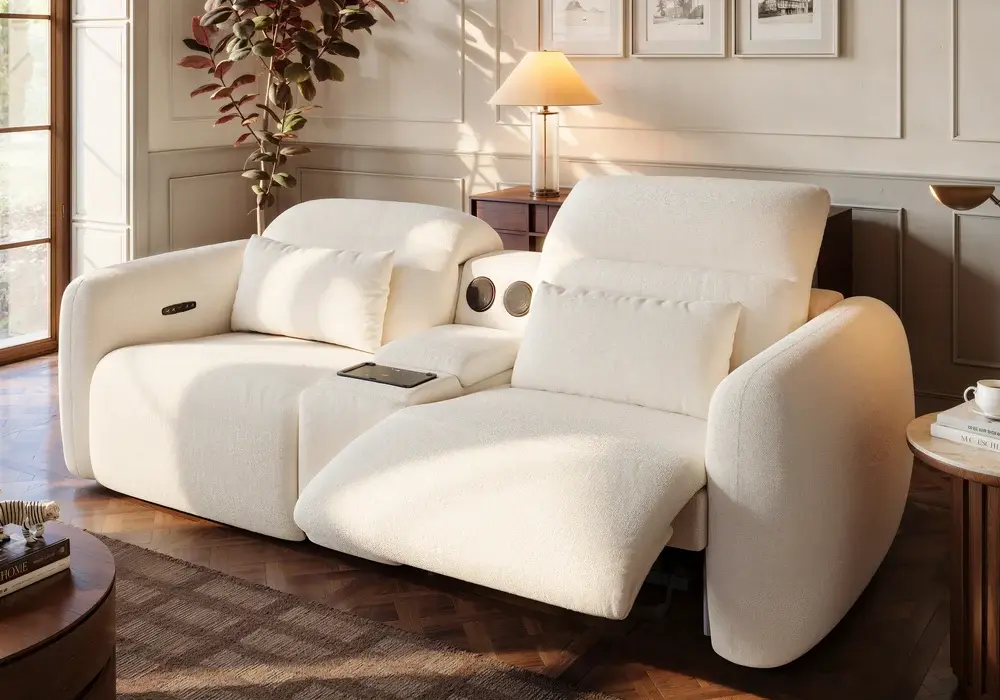
The adjustable headrests may be useful when finding a comfortable position for reading or watching television. However, headrest adjustment does not guarantee lower-back support. Before choosing this style, check the seat depth, lumbar contour, cushion firmness, and reclining range to determine whether the sofa fits your body.
If you need a more individualized seating option, a dedicated recliner chair may be easier to assess for your height, leg length, and preferred sitting position.
Power vs. Manual Recliner
A power recliner uses an electric mechanism to adjust the seating position. Depending on the model, the backrest, footrest, and headrest may have different adjustment options. Fine adjustments can make it easier to find a comfortable position without repeatedly pushing the chair backward.
This can be useful for older adults, people with limited mobility, and anyone who finds manual reclining uncomfortable. For a single-seat option, the Performance Chenille Power Recliner Swivel Rocker Chair with Dual Motor and Adjustable Armrests is worth comparing. Its dual-motor reclining design and adjustable armrests offer features to consider when evaluating a powered recliner for everyday use.
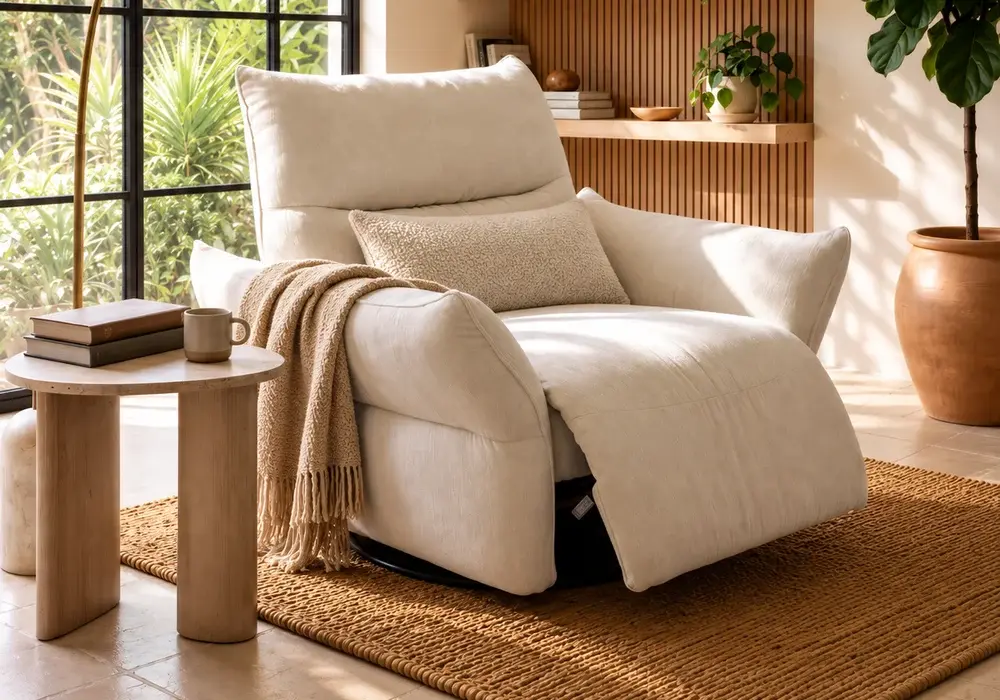
The swivel-rocker design may also appeal to shoppers who want more than a conventional stationary chair. Still, the number of motors and adjustable armrests do not establish whether the seat provides suitable lumbar support. Check the seat dimensions, footrest coverage, and backrest fit before making a decision.
A manual recliner may be a simpler and more affordable choice. However, depending on the mechanism, it may require physical effort to operate. Consider whether you can adjust it comfortably and change positions without straining.
The right choice comes down to fit, ease of use, and the adjustments you actually need—not whether the chair is electric or manual.
What Support Features Matter Most?
Before choosing a recliner sofa for back pain, look beyond its appearance and upholstery. The following checklist can help you evaluate whether a seat is likely to fit your body.
Feature | What to Look For | Warning Sign |
Lumbar support | Comfortable support at the natural curve of your lower back | A large gap behind your waist or uncomfortable pressure |
Seat depth | Approximately 2–3 inches (5–8 cm) between the seat edge and the back of your knees | The seat presses against your knees or forces you to slide forward |
Seat height | Feet rest securely on the floor when sitting upright | Your feet dangle or standing up feels difficult |
Cushion firmness | Supportive cushioning that rebounds after use | Your hips sink deeply into the seat |
Headrest and backrest | Comfortable support for your upper back and a neutral neck position | Your head is pushed forward or falls backward |
Footrest | Broad, comfortable support for your calves | Only your heels are supported or pressure builds behind your knees |
Overall size | Seat width and weight capacity suit your body | You feel squeezed or cannot sit back comfortably |
Prioritize Lumbar Support
Your lower back should feel supported without being forced into an exaggerated arch. If the backrest does not fit your waist, a small lumbar cushion may help, provided it stays in place and does not push you too far forward.
Check Seat Depth and Height
Seat depth is particularly important. If the seat is too deep, you may need to slide forward or round your back to reach the backrest. The 2–3-inch gap is a useful starting point, not a rigid rule for every body.
When sitting upright, aim to rest both feet securely on the floor, with your knees near a right angle if comfortable. Your feet should also be fully supported when you use the footrest.
Choose Supportive Cushioning
Very soft cushions may feel luxurious at first but can make it difficult to maintain a comfortable position. Look for cushioning that distributes your weight without allowing your hips to sink excessively. Medium-firm cushioning is a sensible starting point, although comfort varies between individuals.
Check the Headrest and Footrest
Your upper body should remain comfortably supported, with your neck in a natural position. When the footrest is raised, make sure your calves are supported without uncomfortable pressure behind the knees.
Measure Before You Buy
Measure your height, leg length, and current sofa depth. Compare your measurements with the product specifications, including the seat width, seat height, weight capacity, and available reclining positions.
If possible, sit in a similar model for several minutes. Try both upright and reclined positions and notice whether your lower back, shoulders, and legs feel comfortably supported.
Best Reclining Angle and Sitting Posture
There is no single reclining angle for back pain that works for everyone. The aim is to find a position that feels comfortable and does not worsen your symptoms.
Which Reclining Angle Should You Try?
The following are approximate starting points for the angle between your torso and thighs. Furniture manufacturers may measure reclining angles differently, so treat these figures as general guidance rather than medical prescriptions.
- About 100–110 degrees: A modest recline to try while reading or watching television.
- About 110–130 degrees with the legs raised: A deeper recline that may feel more comfortable for some people who experience discomfort when sitting upright.
Adjust the backrest gradually and pay attention to your body's response. If a position increases pain, causes tingling, or makes symptoms spread down your legs, return to a more comfortable position.
How to Sit Comfortably
Start with your hips toward the back of the seat. Let the backrest support your lower back, relax your shoulders, and keep your neck in a natural position. When the footrest is raised, make sure your calves are supported comfortably.
If there is a large gap behind your lower back, the backrest may not fit your body well. A small cushion might help, but avoid adding so much padding that it pushes your hips forward.
Keep Moving Throughout the Day
Even a supportive recliner should not become a place to sit for hours without moving. Try standing up, walking briefly, or changing position every 30–60 minutes, adjusting this interval to your comfort and medical needs.
If you read or use a laptop, raise the screen closer to eye level when practical. Looking down for prolonged periods can encourage a slouched position. For extended work sessions, a properly fitted desk chair may be more suitable than a living-room recliner.
The goal is not to maintain one perfect posture all day. It is to find comfortable positions and change them regularly.
Conclusion
A recliner sofa can make sitting more comfortable for some people with back pain, but its benefits depend on fit, lumbar support, reclining angle, and sitting habits. The label "recliner" alone does not guarantee better support.
Before buying, measure your body, compare the key features, and test the furniture in person whenever possible. Whether you choose a power-reclining sofa or a dedicated recliner chair, prioritize comfortable support and adjustability over appearance alone. Furniture can support everyday comfort, but it works best alongside regular movement and appropriate professional advice.
Frequently Asked Questions
Can a recliner sofa really help relieve lower back pain?
A supportive recliner may help some people feel more comfortable by supporting the lower back and allowing the legs to rise. However, results depend on the cause of the pain, the furniture's fit, and the position used. A recliner is not a treatment for every underlying condition.
Can a recliner sofa make back pain worse?
Yes. A seat that is too deep, cushions that allow your hips to sink, or inadequate lumbar support may encourage uncomfortable posture. Staying still for long periods can also increase stiffness. Choose a recliner that fits your body and change positions regularly.
Is a power recliner better than a manual recliner for back pain?
A power recliner allows gradual adjustments with less physical effort and may be more convenient for people with limited mobility. A manual recliner can also provide suitable support if it fits properly and is comfortable to operate. Compare fit, adjustability, and ease of use.
What should I look for in a recliner if I have sciatica?
Look for comfortable lumbar support, a seat that is not too deep, and a footrest that supports your legs. Test different reclining positions because leg elevation helps some people but not everyone. Avoid positions that worsen radiating pain, numbness, or tingling.
Is it safe to sleep in a recliner every night?
Occasional or short-term use may be appropriate for some people, depending on their health and sleeping needs. However, sleeping in a recliner every night may contribute to stiffness or discomfort. Ask a healthcare professional if you regularly need to sleep in one to manage symptoms.