

Factors of Color Differences and How to Choose Accurate Colors for Furniture
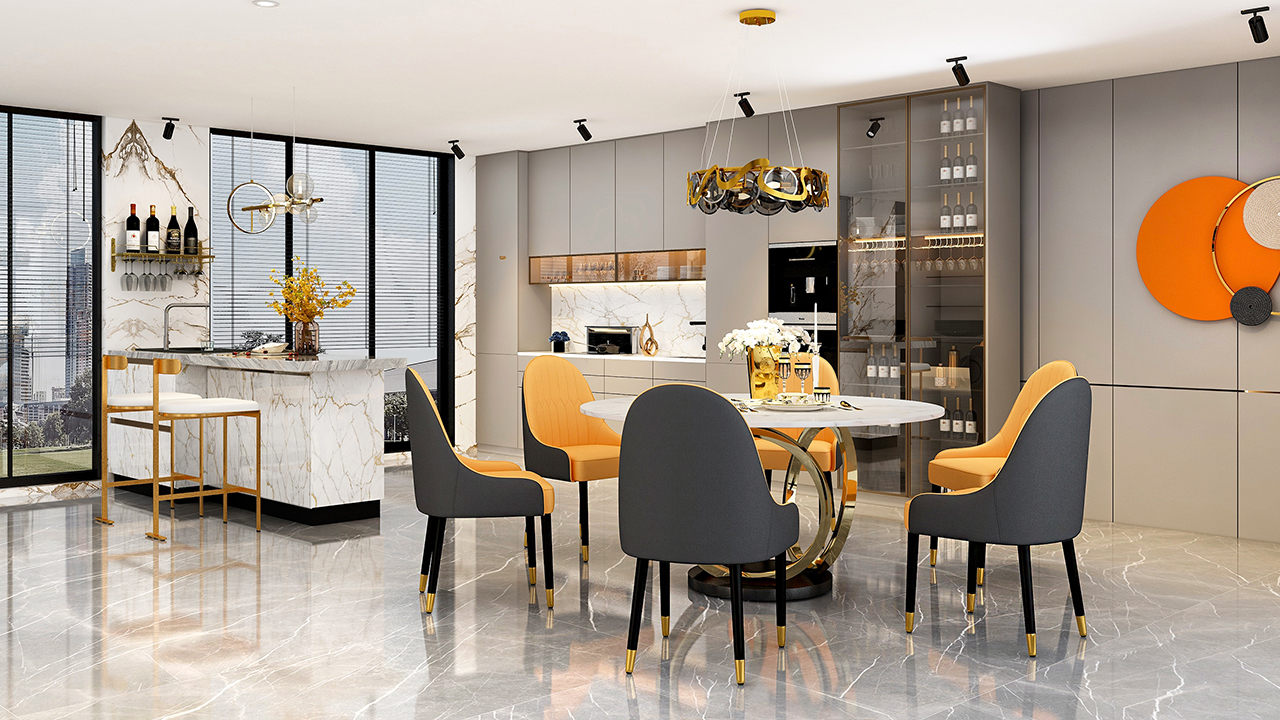
When ordering home decor online, one of the common challenges is the potential for color differences between the product received and the expectation based on online images.
As a reputed online furniture store, we are aware that it is essential to understand the factors that contribute to these color differences, both for managing expectations and for making informed purchasing decisions. Therefore, we will explore various factors that influence color accuracy in home decor and provide tips for minimizing discrepancies for you.
Colors Contributing to Color Differences
Lighting Conditions
The lighting conditions in your space play a significant role in how colors appear. For example, if you have a room with large windows that allow ample natural light during the day, the colors of your furniture and decor may appear brighter and more vibrant.
However, as the natural light changes throughout the day, the colors can also shift subtly. For instance, a fabric sofa in a warm color may appear richer in the morning sunlight compared to the softer afternoon light.

Artificial lighting sources can also affect color perception. For example, fluorescent lighting tends to cast a bluish hue, which can make warm-toned furniture appear cooler in color.
On the other hand, incandescent lighting can emit a warm, yellowish glow, potentially intensifying warm colors in your home decor. Being mindful of the lighting conditions in your space can help you evaluate colors more accurately.
Display Settings and Calibration
The settings and calibration of your display device, such as a computer monitor or mobile screen, can impact color reproduction. Different monitors have variations in color profiles, which can lead to differences in how colors are displayed. For instance, a monitor with a higher color gamut may provide a more accurate color representation compared to a monitor with a limited color range.
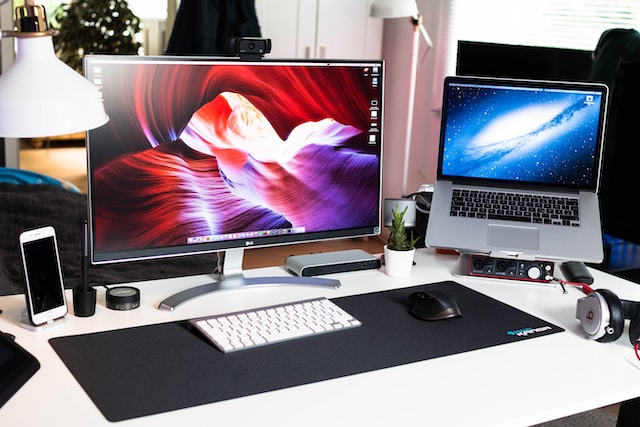
Computer monitors, Photo by Andreas Palmer on Unsplash
Calibrating your display using specialized tools or software ensures more accurate color representation. For example, if your monitor is not properly calibrated, the colors on your screen may appear too saturated or washed out, resulting in a mismatch when compared to the actual products. By calibrating your display, you can minimize these discrepancies and have a more faithful representation of the colors.
Material and Texture Influences
The materials used in home decor items can affect color perception. Some materials have reflective properties that can alter the way colors are perceived under different lighting conditions. For example, a glossy finish on a table or a mirror can reflect light, creating a sheen that can make colors appear slightly different from their matte counterparts.
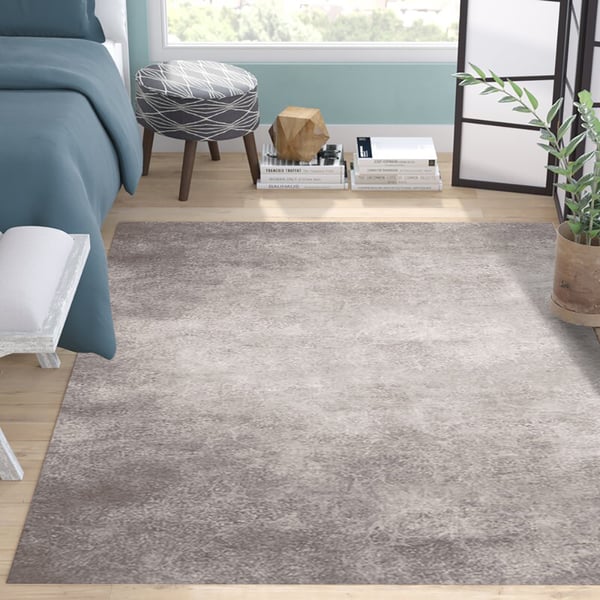
Additionally, textured surfaces can create visual variations due to shadows and highlights. For instance, a rug with a textured pattern may create subtle variations in how colors are perceived depending on the angle of light and the texture's interaction with it.
Consider a ceramic vase with a glossy glaze. The reflection of light on the surface can create highlights and shadows, making the color appear slightly different depending on the viewing angle. Similarly, a velvet fabric can appear darker or lighter depending on how the fibers catch and reflect light. Understanding how different materials interact with light can help you anticipate potential color differences in certain products.
Dye Lots and Manufacturing Processes
For fabric and textile products, variations in dye lots can lead to color differences between batches. Dye lots refer to the specific batch of dye used during the manufacturing process, and slight variations can occur even within the same color range.
These variations can be due to factors such as dye concentration, dyeing temperature, or even dyeing equipment. As a result, different production runs may yield slightly different shades of color.
Imagine you're purchasing a set of curtains in a specific color. Due to dye lot variations, if you order additional curtains at a later time, there might be a slight difference in color between the new curtains and the ones you already have. These variations are often minimal and may not be noticeable unless placed side by side, but it's important to be aware of this factor when ordering home decor items.

Manufacturing techniques can also impact color consistency across products. For example, handcrafted furniture may have subtle variations in color due to the unique application of stains or finishes by individual artisans. On the other hand, mass-produced items undergo standardized manufacturing processes, which aim to minimize color discrepancies. However, minor variations may still exist due to factors like material composition or finishing techniques.
Digital Representation and Photography
The digital representation of colors imposes its own challenges. Online images may not always accurately reflect the true colors of products due to factors like screen resolution, color profiles, and compression. For instance, if you're browsing for a rug online, the color displayed on your screen may not perfectly match the actual color of the rug.
Photographing home decor items can also be a complex process, as capturing colors faithfully requires attention to lighting, camera settings, and post-processing. For example, a professional product photograph of a chair may have gone through color correction and editing to ensure the colors closely resemble the actual product. However, limitations in capturing colors accurately can still exist.

Color Communication and Interpretation
Color perception is subjective, and individuals may interpret colors differently. Cultural influences, personal preferences, and even individual variations in color perception can lead to discrepancies in how colors are perceived.
Moreover, describing colors accurately in words can be challenging, as language often fails to capture the nuances and subtleties of color. For instance, the word "blue" can encompass a wide range of shades, from sky blue to navy blue, and individuals may have different interpretations of what "blue" means to them.
Tips for Managing Color Expectations
To minimize color discrepancies, there are several strategies you can employ.
Requesting color samples or swatches
Requesting color samples or swatches before making a purchase allows you to see the actual color in person. For example, if you're considering purchasing a sofa online, you can request digital fabric swatches to evaluate how the color looks in your space under different lighting conditions.
Reading product descriptions carefully
Reading product descriptions and specifications carefully can provide additional information about color accuracy. Look for details on color variations or specific characteristics of the materials used. For instance, if a rug description mentions natural fibers, be aware that variations in color and texture are expected due to the organic nature of the material.
Reading customer reviews
Last but not least, consulting customer reviews and experiences can offer insights into the actual colors of the products as perceived by others. Keep in mind that individual experiences may vary, but reading reviews can provide a general sense of color accuracy and customer satisfaction.

In conclusion, understanding the factors that contribute to color differences in home decor is crucial for informed decision-making. Consider lighting conditions, display settings, material influences, manufacturing processes, digital representation, and color communication. Also, ask for tips for managing color expectations.
Or you can rely on trustworthy online furniture sellers like Homary.com to make choices that align with your desired color aesthetics. Remember that while color discrepancies may occur, being aware of these factors empowers you to make informed choices and appreciate the unique characteristics of each product.