

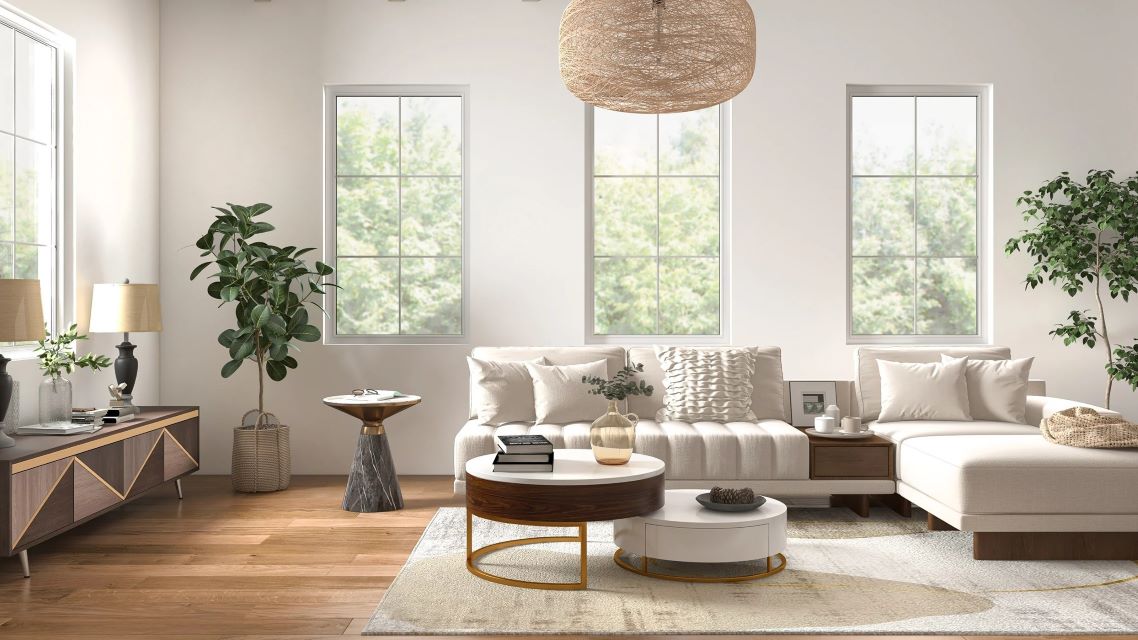
Modern furniture style has gained immense popularity in recent years due to its sleek and contemporary design aesthetic. If you are among those who want to employ this style at home or office, you've come to the right place.
In this article, Homary will take you to explore the origins, key characteristics, various styles, and practical applications of modern furniture. By delving into its rich history and discussing the different elements that define this style, we can gain a deeper understanding of the enduring appeal of modern furniture.
The Origins of Modern Furniture Style
Modern furniture style emerged in the early 20th century as a response to the ornate and heavily embellished furniture of the Victorian era. Its roots can be traced back to the Bauhaus movement, a revolutionary art school in Germany. The Bauhaus emphasized the merging of art and functionality, without elaborate decorations. This ideology greatly influenced the design principles of modern furniture.

The Bauhaus Building, Photo by Hisashi Oshite on Unsplash
During this era, notable designers and architects like Ludwig Mies van der Rohe, Marcel Breuer, and Le Corbusier emerged as pioneers of modern furniture. Their innovative ideas and groundbreaking designs shaped the future of furniture design and set the stage for the modern furniture movement.
Key Characteristics of Modern Furniture Style
Modern furniture is characterized by a distinct set of features that set it apart from other design styles. These characteristics include:
Clean lines and simplicity
Modern furniture embraces simplicity in its form, with clean lines and geometric shapes that create a sense of elegance and order.

Emphasis on functionality and practicality
Functionality takes precedence in modern furniture design. Every piece is crafted with the purpose of serving a specific function while maintaining a visually appealing appearance.

Use of new materials and technology
Modern furniture embraces innovative materials such as glass, steel, and molded plywood. These materials allow for sleek designs and streamlined construction.

Minimal ornamentation and decoration
Modern furniture focuses on minimalism, avoiding excessive ornamentation and decorative elements. Instead, it relies on the inherent beauty of the materials and clean design lines to make a statement.
Exploring Modern Furniture Styles
Mid-Century Modern
As we've shared in our article What Is Mid-Century Modern Furniture, mid-century modern style refers to the design movement that took place roughly between the 1930s and 1960s. It is characterized by organic forms, simplicity, and functionality.
Iconic mid-century modern furniture designs include the Eames Lounge Chair and Ottoman, the Barcelona Chair, and the Noguchi Coffee Table. Popular mid-century modern furniture brands include Herman Miller and Knoll.
Homary also provides popular mid-century modern furniture, such as the mid-century walnut dining chair with faux leather upholstery.

Scandinavian Modern
The Scandinavian modern style originated in the Nordic countries during the mid-20th century. It focuses on minimalism, functionality, and natural materials. Key features of Scandinavian modern furniture include light-colored woods, clean lines, and a sense of warmth and coziness. Famous Scandinavian furniture designers include Hans Wegner, Arne Jacobsen, and Alvar Aalto.
Contemporary Modern
Contemporary modern style in furniture design is a dynamic and ever-evolving category. It embraces a fusion of influences from various design movements, architectural styles, and cultural references. According to interior designer Erin Sander, the contemporary modern design style came into popularity in the 1970s, right after the prominence of the mid-century modern style.

One of the defining characteristics of contemporary modern furniture is its willingness to break away from traditional norms and explore unconventional shapes and forms. Designers often push the boundaries of what is considered typical or expected, resulting in furniture pieces that challenge preconceived notions. These unconventional shapes can range from asymmetrical and organic silhouettes to bold geometric structures.
In addition to daring shapes, contemporary modern furniture embraces the use of bold colors and vibrant hues. These colors can be found not only in upholstery fabrics but also in the materials used for the furniture itself. From vividly colored plastics and metals to richly pigmented woods, contemporary modern furniture designs make a statement through their color choices.
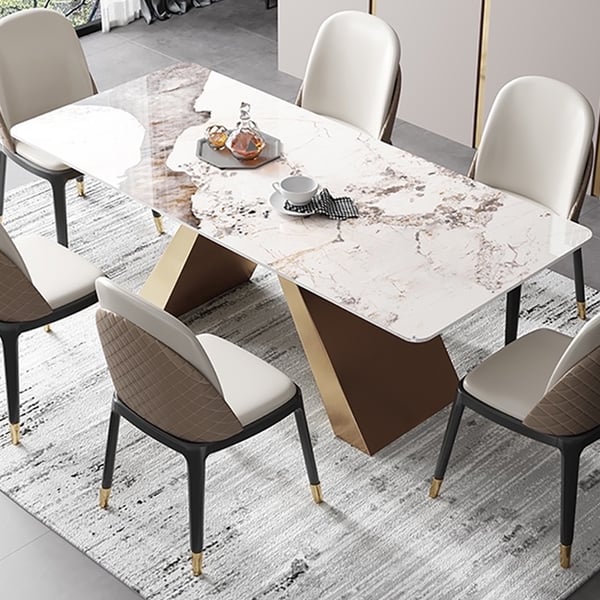
Another characteristic of contemporary modern furniture is the innovative combination of different materials. Designers often experiment with juxtaposing materials such as wood, metal, glass, plastic, and even recycled or sustainable materials. This eclectic mix of materials adds depth and visual interest to the furniture, creating a captivating sensory experience.
To better understand contemporary modern furniture, it is valuable to explore the works of influential designers who have made significant contributions to this style. A prominent representative of the style is Karim Rashid. He is known for his futuristic and unconventional designs. Karim has created furniture pieces that embody the spirit of contemporary modernism. His use of vibrant colors, fluid shapes, and unexpected materials challenges traditional design conventions.
Incorporating Modern Furniture into Interior Design
Integrating modern furniture into various spaces requires careful consideration to achieve a harmonious design. Here are some tips for incorporating modern furniture into your interior design.
Balance with other design elements
Pair modern furniture with complementary design elements to create a cohesive look. For example, combine modern furniture with textured rugs, soft drapery, or natural materials to add warmth and depth to the space.
Choose the right scale
Modern furniture comes in various sizes, so it's important to select pieces that are proportional to the room. Consider the dimensions of your space and choose furniture that fits well without overwhelming the area.
Create focal point
Use modern furniture as focal points in the room. Select standout pieces that draw attention and make a statement. This could be a unique modern sofa, a sculptural coffee table, or an eye-catching lighting fixture.
Modern Furniture for Home
Modern furniture offers numerous advantages for residential spaces. Its sleek design and functionality make it a popular choice among homeowners. Here are some specific areas where modern furniture can be incorporated.
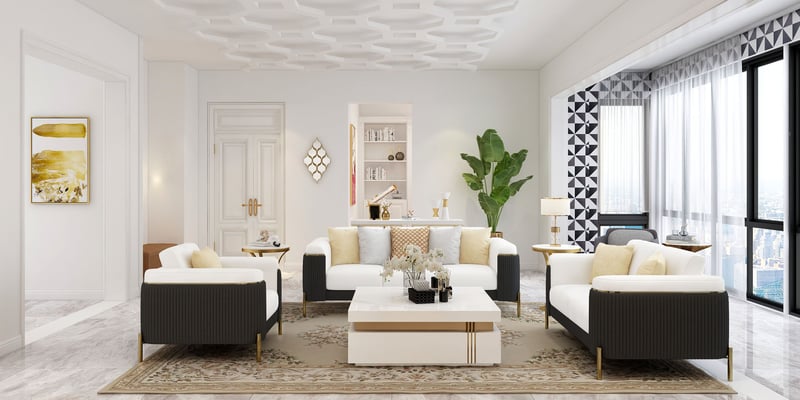
Morden Furniture for Living rooms
Modern sofas, lounge chairs, and coffee tables can create a stylish and inviting living room. Choose pieces that offer both comfort and aesthetic appeal.
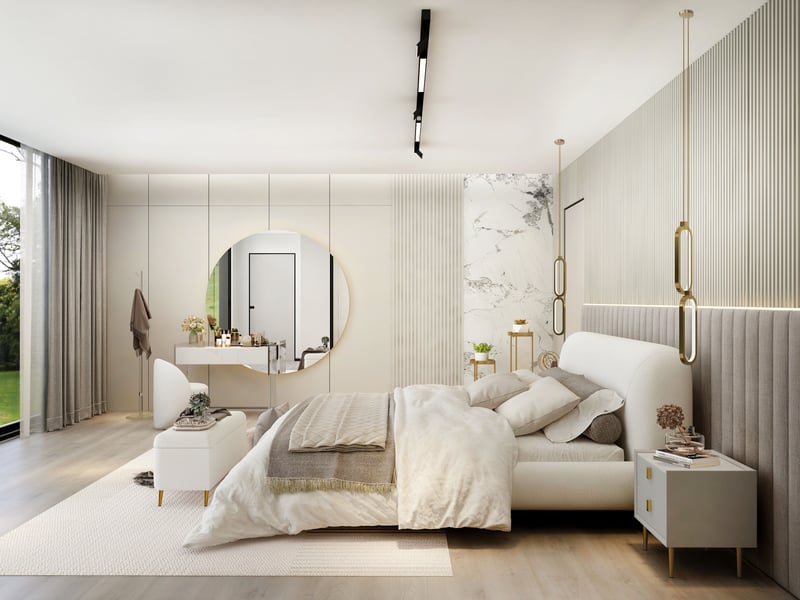
Morden Furniture for Bedrooms
Opt for modern bedroom furniture like platform beds, nightstands, and dressers to achieve a contemporary and relaxing atmosphere.
Dining areas
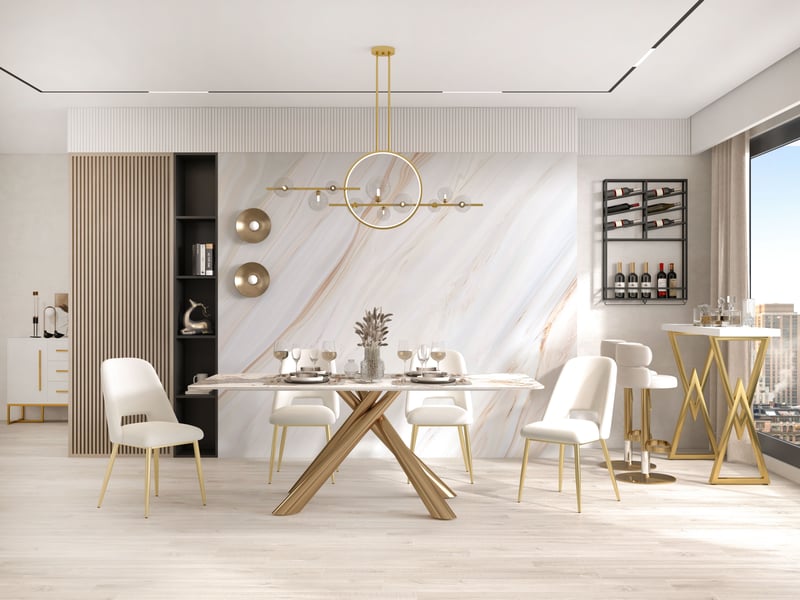
Modern dining tables and chairs can transform your dining area into a sophisticated space for gatherings and meals.
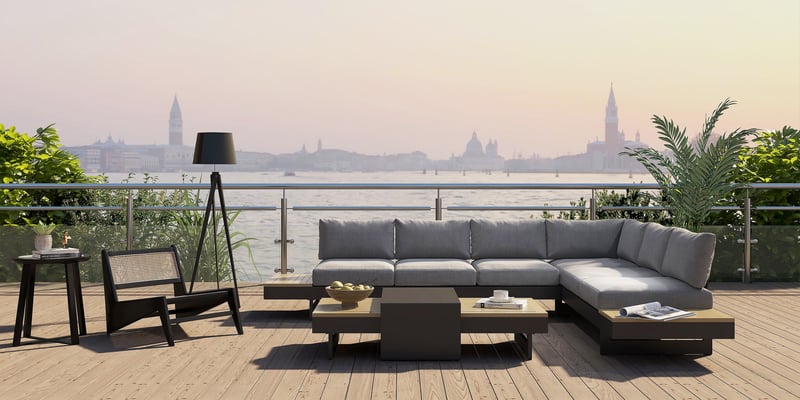
Additionally, modern outdoor furniture options can help create a stylish and comfortable outdoor living space where you can relax and entertain guests.
Modern Furniture in Commercial Spaces
Modern furniture also has a significant presence in commercial spaces such as offices, hospitality venues, and retail environments. Here's how modern furniture can enhance these settings.
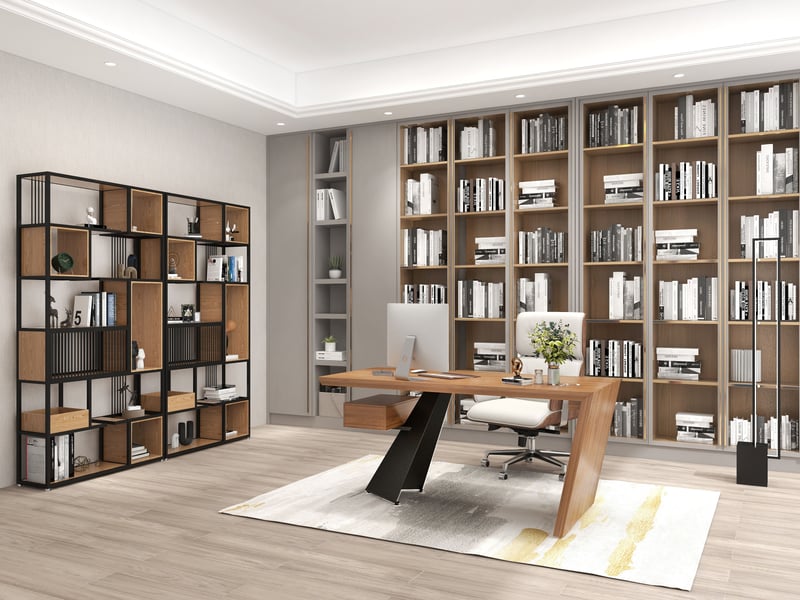
Modern furniture in offices and workplaces
Modern office furniture promotes productivity and comfort. Ergonomic chairs, adjustable desks, and modular storage solutions are common elements in modern office design.
Modern furniture in hospitality and retail environments
Modern furniture in hotels, restaurants, and retail spaces creates a contemporary and inviting atmosphere. The use of sleek seating, minimalist display fixtures, and innovative lighting can enhance the overall customer experience.
Modern furniture in transportation hubs
Modern furniture is also found in transportation hubs such as airports and train stations. These spaces require furniture that is not only aesthetically pleasing but also functional and durable to accommodate the high traffic flow. Sleek seating options with ergonomic designs and durable materials are commonly used to provide comfort and convenience to travelers while maintaining a modern and stylish atmosphere.
The enduring appeal of modern furniture style lies in its timeless design principles, emphasis on functionality, and clean aesthetic. From its origins in the Bauhaus movement to the diverse styles like mid-century modern, Scandinavian modern, and contemporary modern, this furniture style continues to influence and inspire designers and homeowners alike.
By understanding the key characteristics and different styles of modern furniture, and learning how to incorporate and care for modern furniture, you can create a modern and stylish living or commercial space that reflects your taste and embraces the beauty of contemporary design.